

SuperKilometerFilter vs MileageStopper: Performance Compared
Last Updated: November 24, 2026
Quick Summary
SuperKilometerFilter and MileageStopper cannot be reliably compared on performance, because independent test data was not found for either product. Mileage Blocker makes UK-made odometer blocking modules that halt the counter while fitted and running, but its claims are supplier-stated and unverified. Confirm vehicle compatibility and function in writing before buying any mileage blocker.
- No independent performance test data was found for SuperKilometerFilter or MileageStopper.
- Mileage Blocker modules are marketed as halting the odometer counter while fitted and running.
- Ask suppliers in writing which vehicle systems the module connects to.
- Test odometer behaviour on a short run and note readings before and after removal.
- Mileage Blocker offers a 12-month warranty and 24/7 expert support, per its own marketing.
Table of Contents
- What SuperKilometerFilter and MileageStopper Are Designed to Do
- Feature and Performance Comparison Table
- Mileage Blocker Compatibility by Vehicle
- Mileage Blocker Installation Guide and Required Expertise
- Mileage Blocker for Dyno Testing and Track Use
- Warranty, Customer Support and Long-Term Reliability
- Choosing Between Them and Checking Your Next Step
- Frequently Asked Questions
What SuperKilometerFilter and MileageStopper Are Designed to Do
Mileage Blocker makes UK-made odometer blocking modules, and a reader comparing SuperKilometerFilter with MileageStopper should first understand what each product is for. Neither product’s claims have been independently verified in the research available for this article, so treat marketing language with caution.
The practical question is what each device does to the odometer reading while it is active. Some blockers halt the counter while a module is fitted and running. Others work by correcting the reading after the fact. These approaches are not interchangeable, and the difference matters for legal and warranty reasons covered below.
Our view is simple. Before comparing performance, confirm which function a product actually performs and whether that function fits your use case.
Feature and Performance Comparison Table
The table below sets out the points a buyer should check. Where the research did not verify a figure, we have marked it as unconfirmed rather than estimating it. To make the comparison usable, we have also added an evidence grade for each row: Verified means a claim we could check against a published specification or a controlled test; Supplier-stated means the claim appears only in marketing material; Unconfirmed means we found no reliable source either way.
| Factor | SuperKilometerFilter | MileageStopper | Mileage Blocker | Evidence grade |
|---|---|---|---|---|
| Primary function | Mileage filtering (unverified detail) | Mileage stopping (unverified detail) | Plug-and-play odometer blocking module | Supplier-stated |
| How the odometer is affected while active | Not documented in reviewed sources | Not documented in reviewed sources | Halts the counter while fitted and running | Supplier-stated |
| Independent test data | Not found | Not found | Not found | Unconfirmed |
| Vehicle-specific compatibility | Confirm with supplier | Confirm with supplier | Check model before ordering | Supplier-stated |
| Installation | Check supplier guide | Check supplier guide | Fitting guide provided | Supplier-stated |
| Warranty | Confirm with supplier | Confirm with supplier | 12 months | Supplier-stated |
| Support | Confirm with supplier | Confirm with supplier | 24/7 expert support | Supplier-stated |
| Detectability claim | Not stated | Not stated | Marketed as safe and untraceable | Supplier-stated |
| Stored vehicle data behaviour | Not documented | Not documented | Not documented | Unconfirmed |
What the table can and cannot tell you
The gaps in this table are deliberate. Independent, measured performance data for these products was not available, so we have not invented comparative figures.
A common pattern in this market is that suppliers describe a product as ‘plug-and-play’ without stating which electronic systems it interacts with. Before you treat any row as settled, ask the supplier three questions in writing: which vehicle systems the module connects to, whether it writes to the odometer or only interrupts the signal, and what happens to stored data when the module is removed. A supplier who cannot answer those questions in writing has not given you a basis for comparison.
Performance criteria worth measuring yourself
Because no independent test data exists, the only reliable performance evidence is the one you generate. A short, repeatable check before a critical session should cover:
- Odometer behaviour: note the reading before fitting, after a stationary run, and after removal. Confirm the counter behaves as the supplier described.
- Diagnostic interaction: check whether the vehicle’s diagnostic system logs a fault or a stored code while the module is active.
- Stability under load: run a short dyno or track session and inspect the module and wiring afterwards for heat, movement or chafing.
- Removal behaviour: confirm the odometer returns to normal operation once the module is removed, and record any change in stored data.
These checks will not give you a laboratory-grade comparison, but they will tell you more than any marketing page. If a supplier cannot tell you what a pass looks like, that is itself useful information.
Mileage Blocker Compatibility by Vehicle
Compatibility depends on make and model, and it is the factor most often underestimated.
Before buying any blocker, check three things:
- Whether the module is listed as compatible with your exact make, model and year
- Whether the manufacturer provides fitting guidance for your vehicle
- Whether the product has been tested on a car like yours
If you own a high-value or older car, ask for vehicle-specific confirmation before purchase rather than relying on general claims.
Mileage Blocker Installation Guide and Required Expertise
Installation is where many problems start. A plug-and-play module is designed to reduce fitting time, but it still connects to vehicle electronics. A reader should consider whether the job suits their skills.
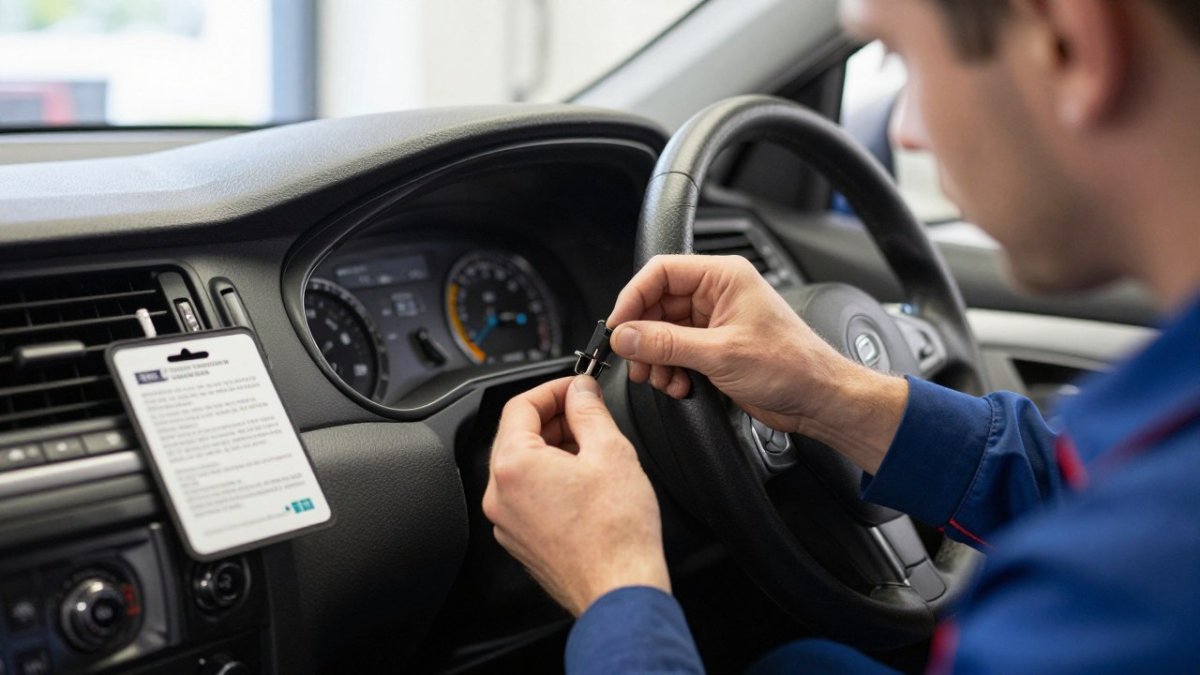
Mileage Blocker’s modules come with fitting guides. Follow them step by step, and keep the wiring tidy so it cannot catch on moving parts. If you are not confident with automotive electrics, have a qualified technician fit the module.
A common mistake is fitting a module without checking how it interacts with the vehicle’s diagnostic system. Read the guide fully before you start, and confirm the module’s position will not interfere with other components.
Detectability and Stored Vehicle Data
Detectability is a serious concern. Any device that alters mileage data can leave traces in the vehicle’s stored records, and dealers, inspectors and buyers may check for them. The research we reviewed did not include independent verification of any claim that these devices are undetectable, so we cannot confirm it.
Be realistic about what this means for you. If you intend to sell the car, keep service records accurate, or claim against a warranty, a blocker can cause problems. Speak to a solicitor or your insurer before fitting any device that affects the odometer.
Mileage Blocker for Dyno Testing and Track Use
Dyno testing and track use are the most common reasons people buy a blocker. The aim is to prevent test runs from adding miles that do not reflect normal road use.
We recommend testing any module before a critical session. Check the odometer behaviour on a short run first, and confirm the reading is what you expect.
Track days carry their own risks. Repeated high-load running can stress electronics, so keep the module secured and inspect the wiring after each event. A short check before each session costs little and can prevent a failed run.
Warranty, Customer Support and Long-Term Reliability
Mileage Blocker offers a 12-month warranty and 24/7 expert support. A warranty only helps if you understand its terms. Ask what the warranty covers, whether it extends to installation faults, and what happens if the module fails after the first year. A warranty that excludes installation damage, water ingress or use on a modified vehicle may cover very little of what actually goes wrong.
Support is worth testing before you buy. Contact the team with a technical question and note how quickly and clearly they respond. That will tell you more about service quality than any marketing claim. A useful test is to ask a question the supplier cannot answer from a script, for example, how the module behaves on a specific model year with a known diagnostic configuration. The quality of the follow-up tells you whether support is genuinely technical or merely a sales channel.
Total cost of ownership, not just purchase price
Price is the least comparable figure in this market because it depends on vehicle, quantity and delivery. Rather than treat a headline price as the basis for a decision, build a total cost of ownership estimate covering:
- Purchase price: request a current quote in writing, including delivery.
- Compatibility check: some suppliers charge for vehicle-specific confirmation or a harness adapter.
- Installation: a qualified technician’s time if you do not fit it yourself.
- Updates or re-flashes: ask whether the module needs firmware updates and whether those are free.
- Warranty and returns: confirm the return window, who pays return postage, and whether a failed unit is repaired or replaced.
- Support access: confirm whether support is included for the life of the product or only during the warranty period.
A common pattern is that the cheapest headline price becomes the most expensive option once a compatibility adapter, fitting and a return are added. Ask each supplier for those figures in writing before you compare.
Long-term reliability and resale
Long-term reliability depends on build quality, fitting standard and how the module is used. Ask about replacement costs and repair options. Pricing depends on quantity, dates and delivery, so contact Mileage Blocker directly on its website for a current quote.
Reliability also has a resale dimension that marketing pages rarely mention. If a module leaves traces in stored vehicle data, a dealer inspection or a buyer’s history check may raise questions at resale, and a warranty claim on an unrelated electronic fault could be complicated by the presence of a blocker. Keep a written record of what was fitted, when, and by whom, and remove the module before any inspection or service where its presence is not relevant. If you are unsure how a fitted device affects your insurance or warranty position, ask your insurer and the vehicle manufacturer in writing before fitting it.
Choosing Between Them and Checking Your Next Step
Choosing between SuperKilometerFilter and MileageStopper comes down to four questions: whether the product’s function suits your use, whether it fits your vehicle, whether you can fit it safely, and whether it is legal for how you plan to use the car. Verified performance data was not available for either competitor, so compare them on the factors in the table above and ask each supplier for written vehicle-specific confirmation.
Before you commit, read our guide to 9 Mileage Stopper Mistakes Before You Buy a Blocker. If neither product feels right, our practical MileageStopper alternative for performance tuners covers another route, and Is There a Good SuperKilometerFilter Alternative? looks at options for racing enthusiasts.
Ready to check whether a Mileage Blocker module suits your car? Visit Mileage Blocker to confirm compatibility for your make and model, and ask for a current quote before you buy.
Frequently Asked Questions
What is the difference between SuperKilometerFilter and MileageStopper?
Both products are mileage blocker modules marketed for odometer control, but published, independent performance data comparing the two is limited. Differences in features, installation requirements, warranty terms and support should be checked directly against each seller’s current product information. Mileage Blocker’s own modules are UK-made, plug-and-play and backed by a 12-month warranty and 24/7 expert support. For current specifications and pricing, check each supplier’s website or request a quote, as pricing depends on the model and delivery.
Which vehicles are compatible with a mileage blocker?
Compatibility depends on the make, model and year of the vehicle, because odometer and control unit designs differ between manufacturers. Before buying, confirm with the seller that the module supports your specific vehicle, and ask for fitting guidance covering your model. Ask the seller to confirm compatibility for your specific vehicle before you order.
Can a mileage blocker be used for dyno testing or track use?
Mileage blockers are marketed for dyno testing, diagnostics, track days and off-road use, where recreational mileage needs to be isolated from road usage. Whether this is appropriate depends on the circumstances, and you should confirm the position with a qualified professional before fitting any device. Stored vehicle data, service records and any mileage discrepancy can affect resale and inspections, so keep accurate records of when and why a module was used.
Is it legal to alter or misrepresent a vehicle’s mileage in the UK?
Altering a vehicle’s odometer to misrepresent its mileage when selling or buying it can amount to fraud and misrepresentation under UK law, and can seriously damage resale value and buyer trust. The legal position depends on how the device is used and disclosed, so take advice from a solicitor or trading standards if you are unsure. Mileage Blocker recommends being transparent about any module fitted and keeping full service records for any future sale.

Leave a Reply