
Odometer Blocker with 24/7 Support: What You Need
Table of Contents
- What an Odometer Blocker Is and Why Support Matters
- How Mileage Blockers Work
- Mileage Blocker Installation Guide
- Real-World Applications: Dyno Testing, Diagnostics, and Track Use
- Legality and Safe, Ethical Use
- Mileage Blocker Warranty and Support Coverage
- Best Practices for Mileage Blocker Maintenance
- Why 24/7 Support Is Essential When Testing
- Frequently Asked Questions
Last Updated: October 21, 2026
What an Odometer Blocker Is and Why Support Matters
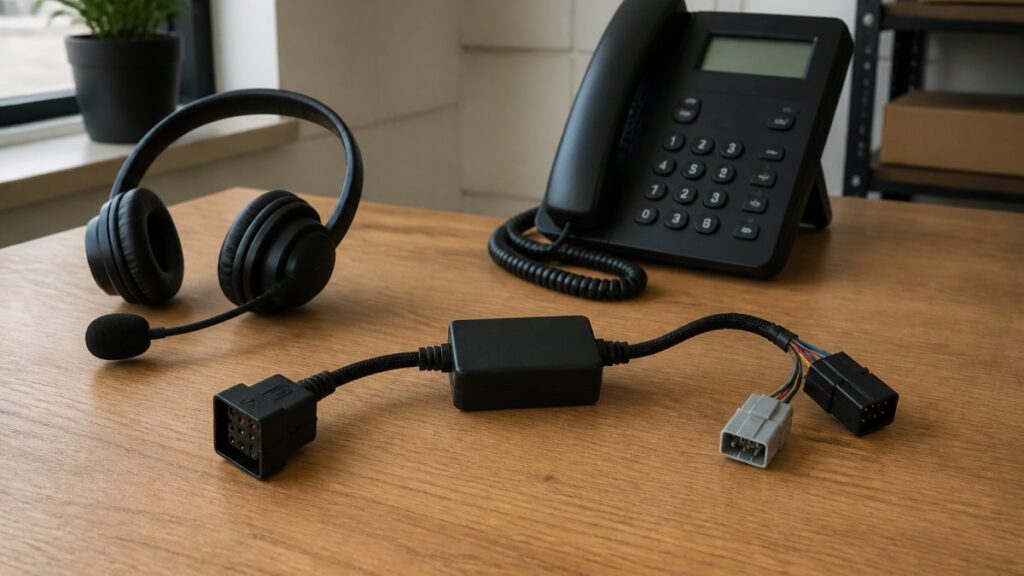
An odometer blocker with 24 7 support is a plug-and-play electronic module that temporarily suspends mileage recording on a vehicle’s odometer during stationary diagnostics, dyno testing, or performance tuning.
The distinction matters because mileage blockers serve legitimate technical purposes. Automotive professionals conducting ECU tuning, dyno runs, or diagnostic work need to isolate test mileage from actual road usage. Without this capability, every diagnostic session adds kilometres to your odometer reading, inflating your vehicle’s apparent age and wear.
Here’s where 24/7 support becomes critical: installation isn’t always straightforward. Vehicle electronics vary significantly by make, model, and year. Cable routing differs. Connector types change. If something goes wrong during setup, or if the module fails mid-test, you need someone available immediately, not during business hours next week.
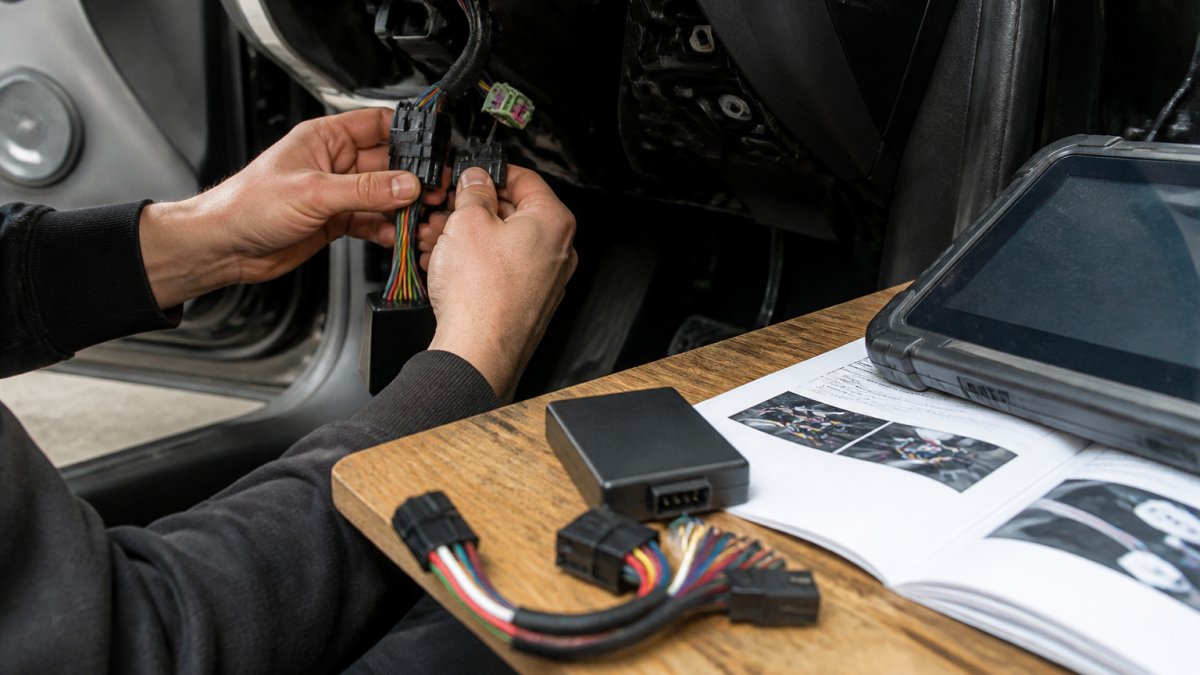
At Mileage Blocker, our UK-made units come with comprehensive fitting guides, a 12-month warranty, and round-the-clock technical support. That combination matters because installation issues and module failures happen, and when they do, you need immediate help.
How Mileage Blockers Work
Mileage blockers operate by intercepting the vehicle’s CAN bus communication between the odometer module and the engine control unit. The CAN bus is the network that allows different electronic systems in your car to share data. Your odometer, fuel gauge, speedometer, and dozens of other systems all communicate through this single network.
When you activate a mileage blocker, it sits between those systems and prevents distance data from reaching the odometer module. The vehicle still records all other information, fuel consumption, engine diagnostics, performance metrics, exactly as normal. Only the mileage recording pauses.
This is why mileage blockers are safe for dyno testing and diagnostics. You’re not interfering with engine management, fuel injection, ignition timing, or any safety-critical systems. You’re simply preventing one data stream from being logged. The vehicle behaves identically during testing; it just doesn’t count the kilometres.
The module remains active only while it’s powered. Turn off the vehicle, and the mileage blocker deactivates. When you restart, normal odometer recording resumes. This temporary, reversible operation is what makes mileage blockers suitable for controlled testing environments where you want to preserve your vehicle’s accurate mileage record for road use.
Mileage Blocker Installation Guide
Plug-and-Play Setup
Plug-and-play mileage blockers eliminate the need for permanent wiring modifications. Instead of splicing into existing vehicle harnesses, which requires soldering, heat-shrinking, and risk of damaging factory wiring, a plug-and-play module connects via existing connectors on your vehicle’s CAN bus.
The installation process typically takes 30 to 60 minutes, depending on your vehicle’s layout and your familiarity with automotive electronics. You’ll need basic tools: a screwdriver, possibly a trim removal tool, and the fitting guide supplied with your module.
Most plug-and-play installations follow this general sequence: locate your vehicle’s OBD-II diagnostic port or CAN bus connectors (your fitting guide specifies which), connect the mileage blocker module to the appropriate connector, secure the module out of sight, usually under the dashboard or behind a panel, and verify the connection with a test start. Many users complete this without visiting a workshop.
The advantage of plug-and-play design is reversibility. If you need to remove the module, you simply disconnect it. No permanent changes to your vehicle’s wiring. No soldered connections to undo. No risk of leaving traces in your electrical system.
Vehicle Compatibility by Make, Model, and Year
Mileage blockers are not universal. Your vehicle’s CAN bus architecture, connector type, and electronic module configuration determine compatibility. A module designed for a 2020 BMW may not work on a 2020 Audi, even though both are German luxury vehicles with similar technology.
This is why specifying your exact vehicle details is essential when selecting a mileage blocker. You’ll need:
- Vehicle make (BMW, Mercedes, Porsche, Range Rover, etc.)
- Model name (3 Series, C-Class, 911, Evoque, etc.)
- Model year (2018, 2022, 2024, etc.)
- Engine type (diesel, petrol, hybrid)
- Transmission type (manual, automatic)
Some mileage blockers cover multiple model years within a generation. Others are model-year-specific.
When you contact support to verify compatibility, have your vehicle’s VIN (Vehicle Identification Number) handy. The VIN reveals production date, specification details, and electronic architecture, information that matters when confirming whether a specific module will work with your car.
Real-World Applications: Dyno Testing, Diagnostics, and Track Use
Mileage blockers serve distinct purposes across automotive performance, diagnostics, and motorsport. Understanding these use cases clarifies why 24/7 support and reliable operation matter.
Dyno testing is the most common application. When you run a vehicle on a dynamometer to measure power output, the dyno applies load to the wheels while the engine runs. The vehicle doesn’t move, but the wheels and engine operate under controlled stress.
ECU remapping and diagnostics face the same issue. When a tuner connects to your vehicle’s engine control unit to adjust fuel maps, ignition timing, or boost pressure, they often run the engine in stationary diagnostic mode. Again, the odometer records mileage despite the vehicle not moving.
Track days and circuit racing represent another legitimate use. When you take your road car to a private circuit for performance driving, every lap adds mileage.
Off-road driving works similarly. If you use your vehicle for off-road testing, recovery training, or recreational 4×4 activity, a mileage blocker lets you track that separately from your road mileage.
In every case, the module must be reliable and the support accessible. A failed module mid-dyno session or during diagnostics means rescheduling, losing time, and potentially losing revenue if you’re a professional tuner.
Legality and Safe, Ethical Use
The legal status of mileage blockers varies by jurisdiction and use case. In the UK, the Consumer Protection from Unfair Trading Regulations 2008 prohibits odometer tampering intended to deceive buyers (Mileage correction businesses: compliance review). Selling a vehicle with false mileage is fraud.
However, using a mileage blocker for legitimate diagnostic, testing, or performance work is not illegal. The distinction is intent and disclosure. If you’re using a mileage blocker during dyno testing, ECU tuning, or track days, you’re not deceiving anyone. The vehicle’s actual mileage, recorded during road use, remains accurate. You’re simply preventing test activity from inflating that figure.
The risk emerges only if you sell a vehicle without disclosing that its recorded odometer reading doesn’t reflect actual road usage. That’s fraud, regardless of whether you used a mileage blocker or any other method.
For personal use, tuning your own car, testing at a private circuit, diagnostic work, there’s no legal issue. For professional use, ensure your customers understand what you’re doing and why. Document the work. Keep records showing that mileage was blocked during testing, not hidden to deceive.
The ethical principle is simple: a mileage blocker is a tool. Like any tool, its legality depends on how you use it. Used transparently for testing, it’s legitimate. Used to conceal mileage from a buyer, it’s fraud.
Mileage Blocker Warranty and Support Coverage
A 12-month warranty covers manufacturing defects and component failure under normal use. If your mileage blocker fails within that period due to a fault in materials or workmanship, you’re entitled to repair or replacement.
What the warranty typically does NOT cover: physical damage from improper installation, water damage, damage caused by vehicle modifications, or failure resulting from misuse. If you accidentally damage the module during installation or expose it to moisture, that’s outside warranty scope.
This is why 24/7 support matters beyond the warranty period. After 12 months, you’re responsible for repair costs. But if you can reach someone immediately when a problem occurs, rather than waiting for business hours, you can often troubleshoot and resolve the issue without replacing the unit.
Mileage Blocker’s 24/7 support means you have access to technicians who understand the installation, the vehicle compatibility issues, and common failure modes. They can walk you through diagnostics and help you decide whether replacement is necessary.
Best Practices for Mileage Blocker Maintenance
Mileage blockers are solid-state electronic modules with no moving parts. They don’t wear out from use. They do, however, require proper installation and environmental care.
Secure the module away from moisture and heat. Most installations place the module behind a dashboard panel or under the vehicle’s interior trim, where it’s protected from water, road salt, and direct sunlight. Exposure to moisture can corrode connectors.
Use the correct connector type. If your module comes with multiple connector options, different CAN bus standards, for example, ensure you’re using the one specified for your vehicle.
Verify the connection after installation. Before relying on your mileage blocker for a dyno session or diagnostic work, run a short test. Start the vehicle, confirm the module activates, and check that your odometer reading doesn’t increment during a brief stationary test.
Keep documentation. If you’ve had a mileage blocker installed professionally, ask for written confirmation of the work, the module model, and the installation date. If you install it yourself, photograph the installation and save the fitting guide.
Monitor for warning signs. If your vehicle displays fault codes related to the CAN bus, odometer, or electronic modules after installation, disconnect the mileage blocker immediately and seek support. Fault codes indicate a compatibility issue or installation problem that needs addressing.
Why 24/7 Support Is Essential When Testing
Automotive testing doesn’t follow business hours. Dyno sessions are often scheduled early morning or late evening. Track days run weekends. ECU tuning work frequently happens outside standard shop hours to minimise vehicle downtime.
When a mileage blocker fails or behaves unexpectedly during these sessions, you need help immediately. A 2 AM call to support isn’t unreasonable, it’s essential.
Consider a realistic scenario: you’ve booked a dyno session for Saturday morning. You install your mileage blocker Friday evening. During the first run, the module doesn’t activate. Your odometer is recording mileage.
With 24/7 support, you call the technical team. They walk you through diagnostics. They confirm whether the module is compatible with your specific vehicle. They guide you through reconnection or advise whether the module needs replacement.
For professional tuners and dyno operators, 24/7 support directly impacts revenue. A failed module during a customer’s booked session creates liability and reputation damage. Reliable 24/7 support means you can troubleshoot and resolve issues without losing the booking or disappointing the customer.
| Scenario | Issue | 24/7 Support Benefit |
|---|---|---|
| Dyno session | Module won’t activate | Immediate troubleshooting, session proceeds |
| ECU tuning | Compatibility question | Confirmation before installation, prevents delays |
| Track day | Module fails mid-session | Real-time diagnostics, replacement guidance |
| Diagnostics | Fault codes appear | Immediate guidance on whether issue is module-related |
Mileage blockers are specialised tools for legitimate automotive testing and performance work. Their value depends entirely on reliability and accessible support. A module that works flawlessly but offers no support when problems arise is a false economy.
At Mileage Blocker, we offer UK-made modules engineered for precision, paired with round-the-clock support so you’re never troubleshooting alone.
Frequently Asked Questions
How do mileage blockers work?
A mileage blocker intercepts the signal from your vehicle’s odometer sensor and prevents that data from being recorded in the vehicle’s electronic control unit. When installed, it sits between the CAN bus (the communication network in your vehicle) and the odometer module. During stationary testing, dyno runs, or diagnostics, the device stops mileage accumulation without triggering fault codes or leaving a digital trace. Once removed, normal odometer operation resumes.
What should 24/7 support for an odometer blocker include?
Genuine 24/7 support means access to trained technicians at any hour, not just email responses during business hours. It should cover installation troubleshooting, compatibility verification for your specific vehicle make and model, fault-code diagnosis, performance issues during testing, and warranty claims.
Are mileage blockers legal to use for vehicle testing?
Legality depends on your use case and location. In the UK, using a mileage blocker for legitimate diagnostic testing, dyno runs, or private off-road testing is generally permitted, provided the vehicle is not driven on public roads while the device is active. However, using one to conceal mileage when selling a vehicle or on public roads is illegal and constitutes odometer fraud. Always verify your specific jurisdiction’s regulations and use the device only for its intended purpose: testing and diagnostics in controlled environments.
How do I check whether a mileage blocker is compatible with my vehicle?
Compatibility depends on your vehicle’s make, model, and year, as well as whether it uses a CAN bus system. Most vehicles manufactured after 2005 are compatible, but some older or specialty vehicles may not be. Contact your mileage blocker provider with your vehicle’s details, they can confirm compatibility before you purchase. Many reputable suppliers provide this information via their 24/7 support team to avoid buying an incompatible module.
Leave a Reply