
Can You Detect a Mileage Blocker? (2026 Guide)
Short answer: a quick diagnostic scan isn’t designed to look for a mileage blocker, and a properly fitted one shouldn’t throw up fault codes. But that doesn’t make blocked miles disappear from a car’s history. MOT records, service history, connected-car data and the car’s physical condition all tell their own story, and in the UK it’s illegal to mislead a buyer about a car’s mileage. Here’s how it all works in 2026.
Table of Contents
- What a mileage blocker actually does
- Can diagnostic tools detect a mileage blocker?
- Where a car’s real mileage history shows up
- Buying a used car? How to check the mileage
- The law in 2026
- Using a mileage blocker responsibly
- FAQs
What a mileage blocker actually does
A mileage blocker is a plug-and-play module that sits behind the instrument cluster. While it’s active, it stops new distance being added to the odometer and the vehicle’s control units. When it’s switched off or unplugged, the car starts counting again from where it left off.
It’s important to understand what a blocker doesn’t do. It doesn’t wind back miles that have already been recorded. That’s mileage correction, or “clocking”, which is a different thing entirely. A blocker is built for situations where the miles aren’t real road use:
- dyno and rolling-road sessions
- diagnostics and fault-finding on a test rig
- track days and motorsport events
- off-road driving on private land
Can diagnostic tools detect a mileage blocker?
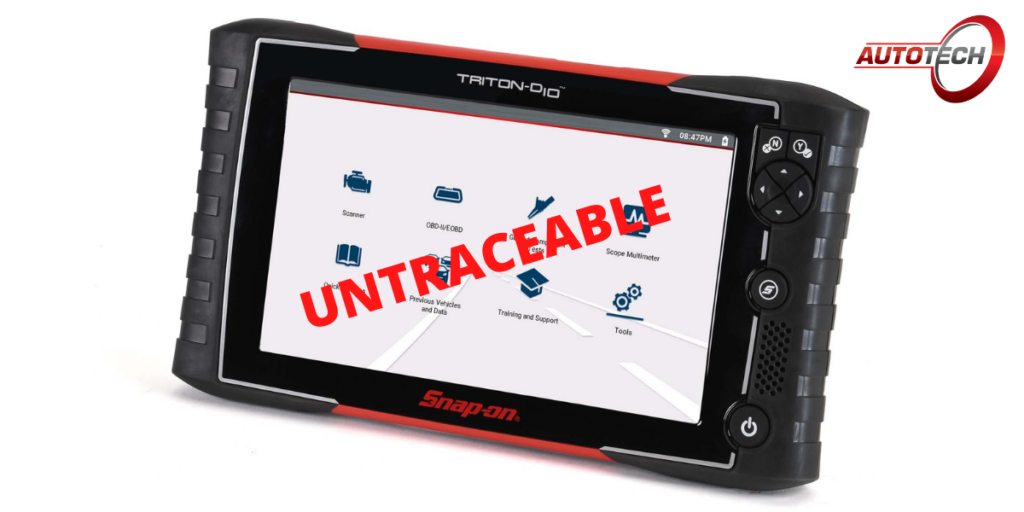
Diagnostic tools, from a £30 OBD2 reader to a dealer’s manufacturer system, read fault codes, live data and stored values from the car’s control units. They aren’t designed to search for an aftermarket module.
A well-made blocker is designed not to cause warning lights or fault codes, which matters when a car is on a dyno and you need clean data. Not every module manages this on every model, though. On some vehicles the speedometer stops working while the blocker is active, and on a few, warning lights come on. Each of our product pages tells you exactly what to expect for your model.
So a diagnostic scan on its own is the wrong place to look. The mileage a car has really done is usually revealed somewhere else.
Where a car’s real mileage history shows up
- MOT history. The odometer reading is recorded at every MOT test, and anyone can see it free on GOV.UK’s “Check MOT history” service. A car that has barely moved between tests, but looks well used, stands out.
- Service records. Most manufacturers now keep digital service histories, with the mileage logged at every visit.
- Connected-car data. Many newer cars can share vehicle data with the manufacturer through their connected services and apps, and that data can include odometer readings.
- Vehicle history checks. Paid checks pull mileage readings from several sources and flag inconsistencies.
- Wear and tear. Tyres, brakes, pedal rubbers, seat bolsters and the steering wheel all age with use, whatever the odometer says.
- The device itself. A module behind the dashboard is easy to find for anyone who removes the trim.
Buying a used car? How to check the mileage
- Check the MOT history on GOV.UK and look at how the mileage has progressed year by year.
- Ask for the full service history and compare the recorded mileages with the odometer.
- Run a vehicle history check that includes mileage records.
- Look at the car’s condition and ask yourself whether the wear matches the mileage.
- Ask the seller directly whether a mileage blocker has ever been fitted, and get the answer in writing. For more, see our guide on how to tell if a car has had a mileage blocker.
The law in 2026
Owning, fitting and using a mileage blocker for testing, track and off-road use is legal in the UK. What’s illegal is misleading anyone about a vehicle’s mileage. Selling a car without disclosing miles that weren’t recorded can be a criminal offence under consumer protection law (the Digital Markets, Competition and Consumers Act 2024, which replaced the 2008 Unfair Trading Regulations in April 2025) and under the Fraud Act 2006. Our article Are Mileage Blockers Illegal in the UK? covers this in more detail.
Using a mileage blocker responsibly
- Use it only for dyno sessions, diagnostics, track days and off-road use, never for everyday road driving.
- Keep a simple log of when the blocker was active and what for.
- Don’t fit one to a leased or financed car to stay under a mileage allowance. Road miles count.
- Always tell a buyer if a blocker has been fitted, and pass on your log.
FAQs
Will an OBD scanner like Carly show a mileage blocker? Scanners read fault codes and stored data rather than looking for aftermarket hardware. See our article Can Carly Detect Mileage Blockers? for more.
Does a mileage blocker wind back the odometer? No. It only stops new distance being recorded while it’s active. Existing mileage is never changed.
Do I have to tell a buyer if I’ve used one? Yes. If a car has covered distance that wasn’t recorded, you must make that clear when you sell it.
Leave a Reply