

Are Mileage Blockers Legal in the UK? Dyno Testing, Track Days & Off-Road Use Explained
Mileage blockers are a popular topic among vehicle enthusiasts, workshops, performance tuners, and owners of modern digital-dashboard vehicles. However, they are also often misunderstood.
A mileage blocker is an electronic module designed to pause mileage recording in supported vehicles during controlled use cases such as dyno testing, diagnostics, track days, and off-road environments. It should never be used to misrepresent a vehicle’s true mileage, condition, value, service history, finance usage, or road use.
Short answer: are mileage blockers legal in the UK?
Mileage blockers should only be used for lawful, controlled purposes such as dyno testing, diagnostics, track days, off-road use, or vehicle testing environments.
The legal risk comes when mileage information is used to mislead another person, business, finance company, dealer, buyer, insurer, MOT provider, or service centre. If a vehicle’s mileage is inaccurate or has been affected by a device, that information must not be presented as though it is the vehicle’s true mileage.
In simple terms: the issue is not just the device itself. The issue is how it is used and whether the vehicle’s mileage is later misrepresented.
What are mileage blockers?
A mileage blocker is an electronic module that can pause mileage recording in compatible vehicles. It is sometimes also called a mileage stopper, odometer blocker, odometer stopper, or CAN bus mileage blocker.
Mileage blocker modules are usually designed for specific makes, models, years, and dashboard types. Compatibility can vary depending on the vehicle platform, instrument cluster, electronic control units, and onboard systems.
At Autotech UK, mileage blocker modules are supplied for controlled testing, dyno use, diagnostics, track days, and off-road environments only.
Lawful use cases for mileage blockers
Mileage blockers may be used responsibly in controlled environments where mileage recording is not intended to represent normal public road use.
Common examples include:
Dyno testing
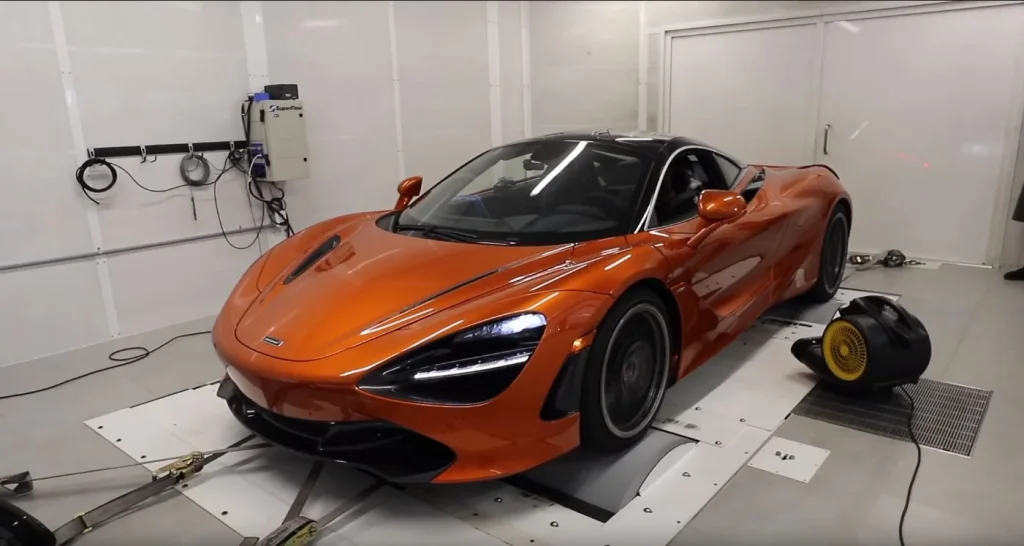
A rolling road or dyno test may involve running a vehicle while stationary to measure performance, carry out checks, or support tuning work. In this environment, a mileage blocker may be used as part of controlled testing.
Diagnostics
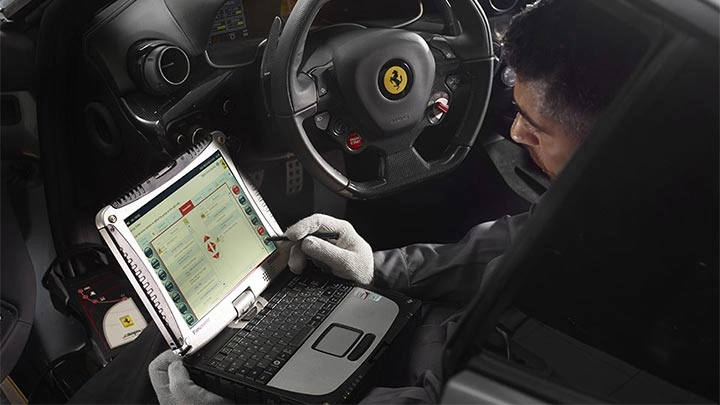
Workshops and technicians may need to test vehicle systems, dashboards, electronic modules, or CAN bus communication in a controlled diagnostic environment.

Track days
Some customers may use vehicles in track environments where testing and performance monitoring are separate from normal public road use.
Off-road use
A mileage blocker may be used in private, off-road, or non-public-road environments where the vehicle is not being used as part of normal road mileage.
Controlled vehicle testing
Vehicle development, module testing, dashboard testing, and electrical diagnostics may require controlled testing conditions where mileage recording is not the main purpose of the activity.
When mileage blockers should not be used
Mileage blockers must not be used to hide, reduce, disguise, or misrepresent a vehicle’s mileage.
They should not be used to:
- Mislead a buyer
- Mislead a dealer
- Mislead a finance or leasing company
- Avoid mileage charges
- Misrepresent vehicle condition
- Create a false service or MOT history
- Increase a vehicle’s resale value unfairly
- Make a vehicle appear less used than it really is
- Present inaccurate mileage as genuine mileage
If a vehicle’s mileage has been affected, that should be handled transparently. Mileage is a key part of a vehicle’s description, condition, value, and history.
Mileage blockers and vehicle resale
Mileage matters when a vehicle is sold. Buyers, dealers, finance companies, and valuation tools often use mileage to estimate condition, value, wear, and service expectations.
If a vehicle’s displayed mileage is not accurate, it should not be presented as accurate during sale, part exchange, advertising, valuation, service, or documentation.
The safest approach is simple: do not sell or advertise a vehicle using mileage information that you know is inaccurate or incomplete.
Mileage blockers and finance or lease vehicles
Finance and lease agreements often include mileage limits. Using a mileage blocker to avoid excess mileage charges or misrepresent usage can create serious contractual and legal problems.
If a vehicle is under finance, lease, PCP, hire purchase, company fleet, or rental agreement, the user should check the terms carefully and seek professional advice before making any modification that affects mileage recording, vehicle data, or usage records.
Mileage blockers and MOT or service history
MOT and service records can show mileage readings over time. If a vehicle’s mileage suddenly appears inconsistent, missing, or inaccurate, this may create future problems with resale, servicing, warranty, finance, or buyer confidence.
A mileage blocker should never be used to create a misleading MOT or service history. Any known mileage discrepancy should be handled honestly and transparently.
Mileage blocker vs mileage correction
A mileage blocker and mileage correction are not the same thing.
A mileage blocker is designed to pause mileage recording during controlled use cases such as dyno testing, diagnostics, track days, and off-road environments.
Mileage correction usually refers to changing or adjusting an odometer reading. This may sometimes be needed where there has been a genuine dashboard, cluster, ECU, or data fault, but it carries serious risks if the result is used to mislead someone about the vehicle’s true mileage.
The key point is transparency. Any mileage discrepancy should be disclosed where relevant.
How to use a mileage blocker responsibly
Before buying or using a mileage blocker, consider the following:
- Use it only for lawful, controlled purposes
- Do not use it to misrepresent road mileage
- Do not use it to avoid finance, lease, or mileage charges
- Keep accurate records of testing and off-road use
- Do not sell a vehicle with inaccurate mileage information
- Check compatibility before ordering
- Use fitting guidance carefully
- Speak to a qualified professional if unsure
Responsible use protects the customer, the vehicle, the buyer, and the business supplying the product.
Why choose a UK-made mileage blocker?
A UK-made mileage blocker gives customers access to clearer support, faster communication, fitting guidance, warranty cover, and product advice from a UK-based team.
Autotech UK supplies UK-made mileage blocker modules for selected BMW, Mercedes, Audi, Range Rover, Ford, VW, Porsche, Toyota, and other supported vehicles. Each unit is tested before dispatch and supported by UK-based technical help.
FAQ's
Are mileage blockers illegal in the UK?
Mileage blockers should only be used for lawful and controlled purposes such as dyno testing, diagnostics, track days, off-road use, and vehicle testing. They must not be used to misrepresent a vehicle’s true mileage, condition, value, service history, finance usage, or road use.
Can I use a mileage blocker on public roads?
Mileage blockers should not be used to misrepresent public road mileage. They are intended for controlled testing, diagnostics, dyno use, track days, and off-road environments.
Is a mileage blocker the same as a mileage stopper?
Yes, many people use the terms mileage blocker, mileage stopper, odometer blocker, and CAN bus mileage blocker to describe similar vehicle testing modules.
Can a mileage blocker affect vehicle resale?
Yes. If a vehicle’s mileage has been affected, the displayed mileage may not represent the true usage of the vehicle. Mileage information should not be misrepresented during resale, part exchange, advertising, valuation, service, or documentation.
Can a mileage blocker be used on finance or lease vehicles?
Using a mileage blocker to avoid mileage charges or misrepresent vehicle usage can create serious contractual and legal issues. Always check the terms of any finance, lease, PCP, hire purchase, company fleet, or rental agreement.
Do Autotech UK mileage blockers come with fitting support?
Yes. Autotech UK supplies fitting guidance where available, warranty cover, and UK-based technical support to help customers choose and install the correct module.
Summary
Mileage blockers should be treated as specialist vehicle testing modules, not tools for hiding road use or changing a vehicle’s history.
Used responsibly, they can support dyno testing, diagnostics, track use, off-road environments, and controlled vehicle testing. Used irresponsibly, they can create serious legal, financial, and consumer protection risks.
If you need help choosing the correct mileage blocker for your vehicle, contact Autotech UK for compatibility advice before ordering.
Leave a Reply