

Odometer Correction Tool vs Mileage Blocker: UK Buyer’s Guide 2026
Quick Summary
An odometer correction tool is a diagnostic device that reads, writes or adjusts the mileage stored in a vehicle’s instrument cluster or control modules. In the UK, workshops and specialists use these tools for cluster replacement, recalibration after repairs and legitimate testing, while using one to alter the mileage of a car being sold is an offence.
- Confirm each vehicle’s make, model year and cluster part number against the tool’s written coverage before buying.
- A tool that cannot name the cluster generation fitted to your car may not support it.
- Total cost includes adapters, software licence renewals and update fees, not just the purchase price.
- Record the original reading, photograph the dashboard and keep the job sheet for every change.
- Never use correction on a vehicle offered for sale with a false mileage history.
Table of Contents
- What an Odometer Correction Tool Does and How It Works
- Odometer Correction Tool Reviews: The Main Options Compared
- Vehicle Compatibility for Mileage Correction Tools
- Odometer Correction Software and Cluster Recalibration
- Mileage Blocker for Dyno Testing and Track Use
- Legal Position, Data Integrity and Risk Checks
- Choosing the Right Tool for Your Workshop or Garage
- Frequently Asked Questions
What an Odometer Correction Tool Does and How It Works
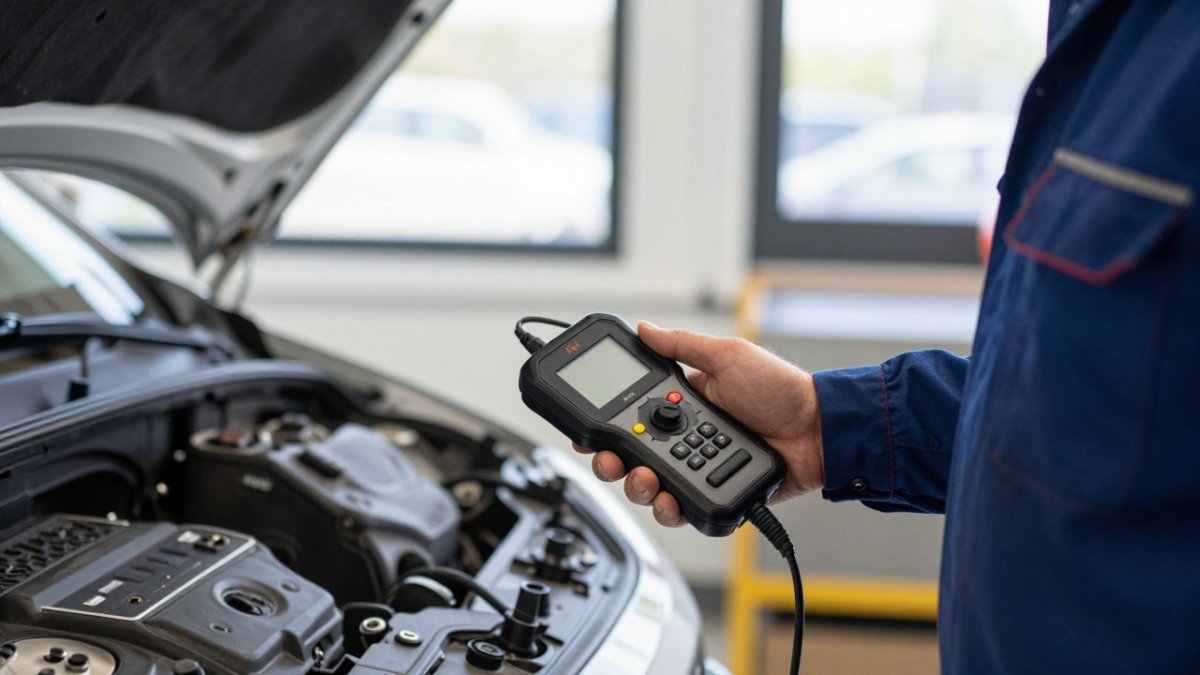
An odometer correction tool is a diagnostic device that reads, writes or adjusts the mileage value stored in a vehicle’s instrument cluster or control modules. In the UK, these tools are generally used by workshops and specialists for cluster replacement, recalibration after repairs, and legitimate bench or dyno work. Using one to alter the recorded mileage of a vehicle being sold is an offence, and this guide keeps that boundary in view throughout (Mileage of used vehicles).
Most modern cars store mileage in more than one place. The instrument cluster holds the displayed figure, while other modules may hold a copy for service records. A correction tool connects through the vehicle’s diagnostic port. Once connected, the tool reads the stored value, then either writes a new figure or synchronises the modules to match.
The process is more involved than plugging in a scanner. Many clusters need the vehicle’s security data, which is why some tools require a separate key or cluster programming step. Others only support a limited set of makes and model years, so checking coverage before buying matters more than comparing features.
Driver and Vehicle Licensing Agency guidance on vehicle mileage records
Odometer Correction Tool Reviews: The Main Options Compared
Tools in this category generally fall into three groups: handheld OBD units, dedicated odometer handsets, and higher-end professional units. Each suits different workloads, so the right choice depends on the work you do.
How we assessed these tools
Where possible, coverage should be confirmed in writing for your exact vehicle before purchase, and seller claims should be checked against published supported-vehicle lists.
Total cost of ownership
Purchase price is only the first line. Add the cost of any adapters or cables not included in the base kit, software or licence renewal fees, update subscriptions where the manufacturer charges them, and the time to learn the tool. A cheaper unit that covers half your vehicles can cost more over a year than a dearer one that covers all of them, once failed jobs and repeat purchases are counted.
Check current UK pricing and any VAT or import charges with each seller before buying. For a workshop, the practical test is to price the tool against the vehicles you actually service: if the base kit plus the adapters you need plus a year of updates comes to more than the margin on the jobs it unlocks, it is not the right buy.
Vehicle Compatibility for Mileage Correction Tools
Compatibility is the factor that most often decides whether a tool is useful. A tool may list dozens of makes, but support often varies by model year, cluster type and region. Before buying, confirm your exact vehicle, year and cluster part number against the manufacturer’s supported list.
A compatibility test you can run before you buy
Rather than trusting a broad coverage claim, build a short test matrix for the vehicles you actually work on. For each vehicle, record the make, model, model year, cluster part number, the module that holds the mileage copy, the connection method the tool uses (OBD-II, bench, or both), and the functions you need (read, write, synchronise). Then ask the seller to confirm each row in writing. A tool that passes this matrix for your five most common vehicles is worth more than one that claims hundreds of makes but cannot name the cluster generation fitted to your car.
A common pattern is that a tool supports a make but not the specific cluster generation fitted to a given year, or reads the mileage but cannot write it on newer modules. A supported-vehicle list that names only makes, with no years or part numbers, should be treated with caution.
Worked examples
Luxury and performance models can use different architectures, so do not assume one tool covers every model. Confirm the tool supports the specific cluster and any modules holding a mileage copy, and ask for written confirmation of the exact vehicle and year.
What to do when compatibility is unclear
If the seller cannot confirm a row in your matrix, treat the vehicle as unsupported until proven otherwise. Where a job falls outside confirmed coverage, refer it to a specialist rather than experimenting on a customer’s vehicle. Keep the written confirmations with the job sheet, so the basis for the work is documented if it is ever questioned.
Odometer Correction Software and Cluster Recalibration
Some workshops run correction through software on a laptop instead of a handheld unit. Software gives more detail on data and history, but it depends on a stable connection and a compatible interface, and it needs regular updates to keep coverage current.
Cluster recalibration is the process of matching a replacement or repaired instrument cluster to the vehicle’s other modules so the mileage stays consistent. This is standard workshop work after a cluster replacement. Done properly, it leaves a clear service record. Done carelessly, it creates mismatches that can cause warning lights or raise suspicion at sale.
Software updates are worth checking before a job. An out-of-date version may lack support for a newer model, and the update history is useful evidence if the work is ever questioned.
The table below summarises the key points on cluster recalibration and software checks before a job.
| Check | Why it matters | Action |
|---|---|---|
| Software version | Out-of-date versions may lack support for newer models | Update before the job |
| Connection | Software depends on a stable link and compatible interface | Confirm interface works first |
| Cluster match | Mismatched modules can cause warning lights | Match cluster to other modules |
| Update history | Evidence if the work is questioned | Keep records of each update |
Mileage Blocker for Dyno Testing and Track Use
Dyno testing and track use are different from the odometer adjustments above. Here the aim is usually to keep mileage from climbing during stationary power runs or circuit sessions, so that a car’s recorded mileage reflects normal road use. Mileage Blocker supplies UK-made blocker modules for these purposes, with plug-and-play fitting and fitting guides included.
The practical question is whether the module is suited to your vehicle and workflow. Mileage Blocker’s listed benefits are safe operation, reliable performance for dyno testing and diagnostics, and easy installation. Confirm vehicle suitability with the company before purchase, and ask about its 12-month warranty terms in writing. For current prices or a quote, check the Mileage Blocker website directly, as pricing depends on the specific product and order.
If you are weighing a blocker against a correction tool, the choice depends on the job. A correction tool changes a recorded figure. A blocker stops recording during a defined activity. Be clear about which purpose you have, because the legal position differs sharply between them.
Legal Position, Data Integrity and Risk Checks
Altering a vehicle’s recorded mileage to mislead a buyer is a criminal offence under UK law. Misleading mileage claims can fall foul of UK consumer protection and fraud law, and trading standards can act on them. Legitimate repair, cluster replacement and documented testing are different, provided the work is recorded and the true history is kept.
Data integrity matters too. Cheap or unverified devices can write incorrect values, leave inconsistent records across modules, or in rare cases damage a cluster. Before any job, record the original reading, photograph the dashboard, and keep the job sheet. If a tool cannot show what it changed, do not use it on a vehicle you will later sell.
Risk checks are simple. Confirm the tool’s legal use for your work, verify compatibility in writing, keep records of every change, and never use correction on a car offered for sale with a false history. For official guidance on vehicle records, see DVLA vehicle record guidance.
You can also check whether an odometer has been tampered with before trusting a vehicle’s mileage. How To Detect Digital Odometer Traces explains the signs an inspector or buyer should look for.
Choosing the Right Tool for Your Workshop or Garage
Start with the work you do most. A garage handling occasional cluster replacements on a few makes needs a different tool from a workshop serving a wide mix of vehicles. Write down your common makes, model years and job types, then match them against each tool’s written coverage.
Next, weigh the total cost. The purchase price is only part of it. Add any licence or software update fees, the time to learn the tool, and the cost of a failed job. A cheaper tool that covers half your vehicles may cost more over a year than a dearer one that covers all of them.
Finally, prioritise legitimate use and clear records. Choose a tool you can justify to a customer, an inspector or a buyer. Start with the vehicles you service most often, confirm support in writing, and build a documented process from the first job.
Frequently Asked Questions
What is an odometer correction tool?
An odometer correction tool is a diagnostic device that connects to a vehicle’s OBD port or instrument cluster to read, adjust or recalibrate the stored mileage. Professionals use them in workshops for cluster replacement, dyno work and bench programming. Pricing varies by model and supplier, so check the manufacturer’s site or request a quote for current GBP figures. Compatibility depends on the make, model and model year, so confirm coverage before purchase.
Is it legal to alter an odometer reading in the UK?
Altering a vehicle’s odometer to misrepresent its mileage is illegal in the UK. Selling or misrepresenting a car with a tampered reading can lead to prosecution and civil claims under UK consumer protection and fraud law. Legitimate uses include correcting a faulty cluster after a repair, and records should always document the reason and the original reading.
Are odometer correction tools compatible with every vehicle?
No. Compatibility varies by manufacturer, model, model year and instrument cluster type, and suppliers update their coverage lists over time. Before buying, check the supplier’s vehicle list against your exact car, and ask whether the tool supports your cluster’s connection method, such as OBD, bench or cluster-off programming. Where coverage is unclear, contact the supplier before purchase.
What is the difference between an odometer correction tool and a mileage blocker for dyno testing?
An odometer correction tool changes or recalibrates the stored mileage value, while a mileage blocker is a module intended to stop the odometer from registering distance during testing. For dyno testing, Mileage Blocker offers UK-made plug-and-play modules with fitting guides and a 12-month warranty. Check the product page for current pricing and fitting requirements for your vehicle.

Leave a Reply