
Can You Use the Same Mileage Blocker on Different Cars?
Quick Summary
Not reliably. A mileage blocker is not universal, and the same module is not guaranteed to work across different cars even when they share a badge. Compatibility depends on the specific vehicle, so each car needs its own compatibility check before a module is bought or moved.
- Check the exact make, model, year and engine of every car before using a mileage blocker.
- Confirm the module’s stated vehicle range matches the year, not just the model name.
- Compare the connector type and pin layout with the vehicle before fitting.
- Ask the supplier whether the module has been tested on your specific car.
- Keep a written log of each fitting, including the date, vehicle and purpose.
Table of Contents
- What a Mileage Blocker Is and What Searchers Usually Mean by It
- Why One Mileage Blocker Does Not Automatically Fit Another Car
- Are Mileage Blockers Universal? Vehicle-by-Vehicle Checks
- Step-by-Step Checklist for Confirming Compatibility Before You Buy or Move a Module
- Fitting Guide: Installing a Blocker Safely and Checking It Works
- Risks of Swapping or Sharing a Device, Warranty and Legal Considerations
- Mileage Blocker Maintenance and Next Steps for Your Vehicle
- Frequently Asked Questions
What a Mileage Blocker Is and What Searchers Usually Mean by It
A mileage blocker is a small electronic module that stops a vehicle’s odometer from recording distance while the car is driven. Many people use the phrase to mean a device that stops the mileage counter from climbing during dyno testing, diagnostics or track work. Others search for it when they mean something else entirely.
At Mileage Blocker, we make UK-made modules for automotive professionals and enthusiasts who need controlled odometer readings during testing. Ensuring that your specific vehicle model is fully supported remains a critical step in the installation process, a topic explored further at CZB Auto Essentials.
The short answer to the search question is that the same module is not guaranteed to work across different cars. The sections below explain why, and how to check.
Why One Mileage Blocker Does Not Automatically Fit Another Car
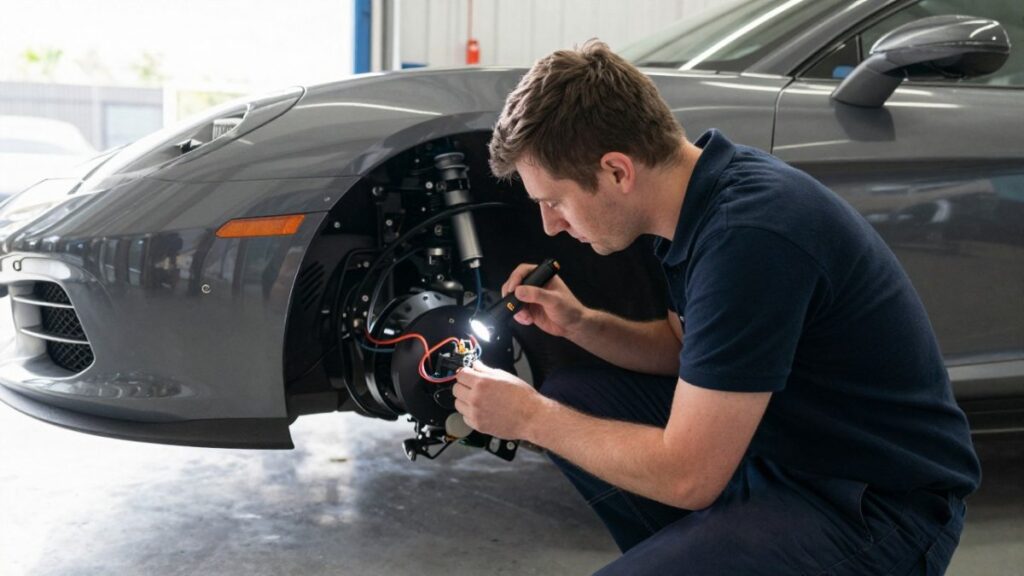
Vehicles from the same manufacturer can still use different electronics. A module built for one model, year or generation may not connect correctly to another. The differences often sit in the dashboard, the wiring loom, the software version and the way the car’s electronic systems communicate.
Think of it like a key. Two cars can look alike and still need different keys. A blocker that connects cleanly to one vehicle’s diagnostic network may not match the connector, pin layout or software expectations of another.
Common differences that affect fit include:
- Model and year: Even small mid-cycle changes can alter the wiring.
- Engine type: Petrol, diesel, hybrid and electric vehicles use different control systems.
- Dashboard and instrument cluster: The odometer may be read from a different unit in each car.
- Software version: A module tested on one software release may behave differently on a later one.
A common mistake is assuming that a blocker which worked on one car will work on the next one in the driveway. Always check the specific vehicle before you fit or move a module.
Are Mileage Blockers Universal? Vehicle-by-Vehicle Checks
No. A mileage blocker is not universal, and the same module is not guaranteed to work across different cars even when they share a badge. Compatibility depends on the specific vehicle, so the vehicle-by-vehicle check is the reliable way to confirm fit before you buy or move a device.
The practical answer to whether you can use one blocker on different cars is: sometimes, but only after repeating the full compatibility check for each vehicle. A module that works on one car in your driveway is not evidence that it will work on the next one, even if the two cars look identical from the outside.
What to verify before moving a device between cars
Work through this vehicle-by-vehicle checklist for every car, not just the first one:
- Make, model and model year: Record the exact year, not just the generation. Mid-cycle changes can alter the wiring and the instrument cluster.
- Engine and fuel type: Petrol, diesel, hybrid and electric vehicles use different control systems and often different connector layouts.
- Trim and equipment level: Higher trims can add electronic modules that change how the odometer is read.
- Facelift or electronics update: A car built after a facelift may use a later software release that behaves differently with the same module.
- Connector type and pin layout: Compare the physical connector in the vehicle with the one the module expects. Do not force a connection that does not seat cleanly.
- Electronic architecture: Check whether the car uses a gateway module or a different diagnostic network to the one the blocker was tested on.
- Product’s stated vehicle range: Confirm the module matches the year range, not just the model name.
- Supplier confirmation: Ask whether the module has been tested on your specific car, including the software version if known.
Watch out: Moving a module from one car to another without repeating every check can cause problems, because identical-looking cars can still differ in the dashboard, wiring loom and software version.
A quick decision rule
If any item on the checklist does not match the product’s stated range, treat the module as incompatible until the supplier confirms otherwise. That rule is faster and safer than guessing from the model name alone, and it applies whether you are buying a new module or moving one you already own.
The checklist below sets out what to verify for each vehicle before a module is bought or moved.
| Check | What to verify | Why it matters |
|---|---|---|
| Make, model and year | Exact model year, not just generation | Mid-cycle changes can alter wiring and cluster |
| Engine and fuel type | Petrol, diesel, hybrid or electric | Each uses different control systems |
| Trim and equipment | Higher trims may add electronic modules | Changes how the odometer is read |
| Facelift or electronics update | Whether the car was updated after a facelift | Later software may behave differently |
| Connector and pin layout | Connector matches the module’s expectation | Do not force a connection that does not seat |
| Product vehicle range | Year range matches the car | Model name alone is not enough |
| Supplier confirmation | Tested on your specific car and software | Confirms fit before you buy or move a module |
Step-by-Step Checklist for Confirming Compatibility Before You Buy or Move a Module
Use this checklist before you purchase a blocker or move one from one car to another.
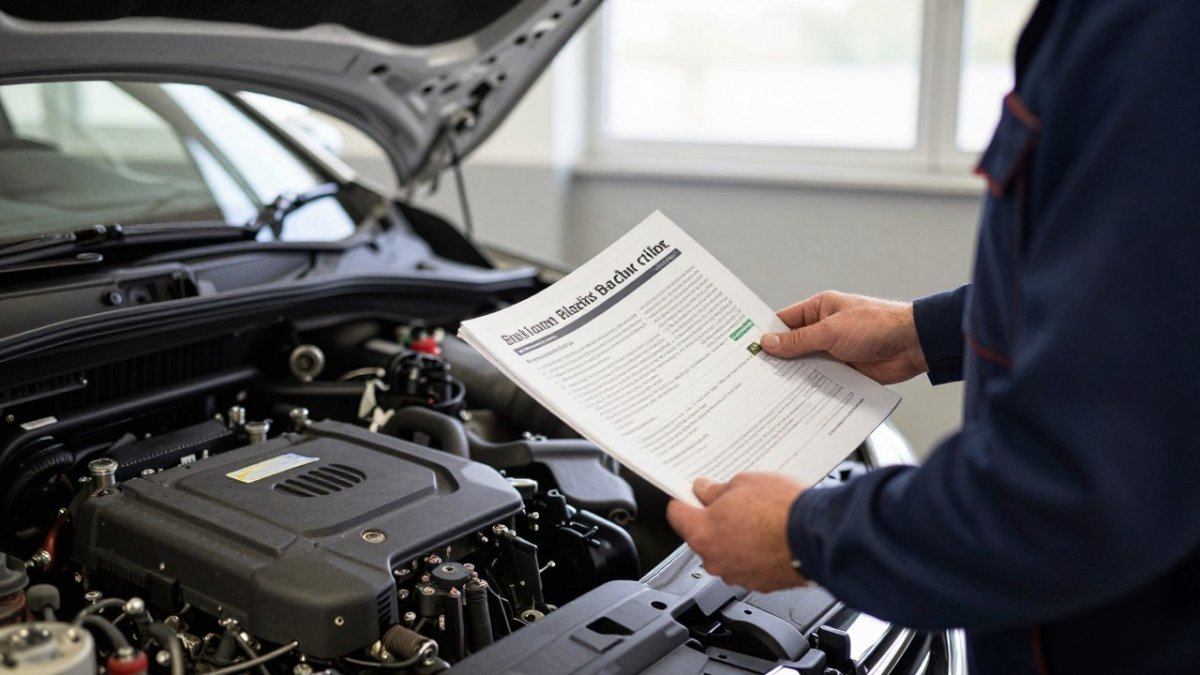
- Write down the exact make, model, year and engine of the vehicle.
- Check the product listing for the supported vehicle range.
- Confirm the module matches the year range, not just the model name.
- Check whether the car has had a facelift or electronics update.
- Compare the connector type with the one in the vehicle.
- Ask the supplier whether the module has been tested on your specific car.
- Do not move a module to a different vehicle until you have repeated these checks.
Watch out: Moving a module from one car to another without checking is the most common way to cause problems. Repeat every check for the new vehicle, even if the cars look identical.
Fitting Guide: Installing a Blocker Safely and Checking It Works
Our modules are plug-and-play and come with fitting guides. Follow the guide for your product and vehicle.
Before you start:
- Disconnect the vehicle battery as the guide instructs.
- Locate the correct connector for your vehicle.
- Fit the module as shown in the guide, without forcing any connection.
- Reconnect the battery and check that the vehicle starts normally.
- Confirm the odometer behaves as your test requires.
If the car shows a warning light, or the module does not connect as expected, stop and check the fitting guide again. If you would rather not fit the module yourself, you can add a nationwide installation service when you order. Do not keep trying to force the connection.
Risks of Swapping or Sharing a Device, Warranty and Legal Considerations
Swapping or sharing a device between cars carries practical, warranty and legal risks. Each time a module is removed and fitted, the connections are stressed, and the chance of damage rises. Repeated swapping also makes it harder to keep a clear record of which module was fitted to which vehicle and when.
Practical risks of repeated swapping
- Connector wear: Repeated plugging and unplugging can loosen pins and damage the connector housing, leading to intermittent faults that are hard to trace.
- Fitment errors: A module that seats correctly in one car may not seat correctly in another, and forcing it can damage both the module and the vehicle’s wiring.
- Diagnostic complications: A module left fitted or partially connected can affect how the vehicle’s electronic systems communicate, which may complicate later diagnostics.
- Record keeping: Without a written log, it is easy to lose track of which vehicle was tested, when, and for what purpose, which matters if questions are asked later.
- Restoring each vehicle: Every car must be returned to its normal state after testing, and skipping that step on one vehicle can cause problems on the next test session.
Warranty considerations
Check the warranty terms for the module and for the vehicle before you fit or move a device. Fitting or moving a device incorrectly may affect your cover, and some vehicle warranties have conditions about aftermarket electronic equipment. Keep a note of every fitting, including the date, the vehicle and the purpose of the testing, so you can answer questions if a warranty claim arises.
Legal and ethical use in plain language
Odometer readings matter for sales, insurance, finance and inspections. Using a blocker to misrepresent a vehicle’s mileage can be a serious offence, and the consequences fall on the person who misrepresents the reading, not just on the device. Use blockers only for the purposes described in our product information, such as dyno testing and diagnostics.
In plain terms:
- Disclosure: If a vehicle has been used with a blocker during testing, be prepared to disclose that in any sale or inspection context where it is relevant.
- Resale: A buyer relies on the odometer reading, so a reading that has been altered without disclosure can expose you to legal and financial consequences.
- Inspections: Testers and inspectors may check mileage history, and inconsistencies can raise questions even where the device was used legitimately.
- Records: Keep a written log of every fitting, including the date, the vehicle and the purpose, so legitimate testing use can be evidenced if needed.
For more detail on the legal position, read our guide on the legal risks of odometer blockers. If you have questions about warranty cover, see our page on mileage blocker warranty terms.
Mileage Blocker Maintenance and Next Steps for Your Vehicle
A blocker needs little routine care, but a few habits help it last. Keep the connector clean and dry, store the module away from heat and moisture when it is not fitted, and check the connection before each test session.
Our modules include a 12-month warranty and 24/7 expert support. If a module fails during a test, contact us as soon as possible.
If you are ready to choose a module, start with the vehicle checklist above, then read the product details for your specific car. If you are unsure which module fits, contact our team with your make, model and year before you order.
Frequently Asked Questions
Can I use the same mileage blocker on different cars?
Not automatically. Compatibility depends on the specific vehicle configuration, including make, model, model year, generation and dashboard, so a module chosen for one car should not be assumed to fit another, even from the same manufacturer. Check the vehicle application against the seller’s compatibility information before fitting or transferring any module. If the details do not match exactly, buy the correct version for each vehicle rather than moving one device between cars.
Are mileage blockers universal?
No. Mileage blockers are not universal. Each module is designed around particular vehicle configurations, so compatibility has to be confirmed for every car. Mileage Blocker’s guidance is to match the module to your vehicle’s model, year, generation and dashboard. Contact the brand with your exact vehicle details to confirm the correct version.
How do I check which mileage blocker fits my car?
Start with your vehicle’s make, model, model year, generation and dashboard layout, then compare these against the compatibility listing for each module. Check the vehicle handbook or registration document for exact details. If anything is unclear, ask the supplier before ordering. Keep a note of the vehicle details you confirmed so you can refer back to them if you later consider fitting the module to another car.
Is there a risk of fault codes or problems if I fit the wrong blocker?
A module that is not designed for your vehicle configuration may not be compatible with its electronic systems, which could create problems during fitting or use. Always confirm compatibility before installation and follow the fitting guide closely. Mileage Blocker provides fitting guides with its plug-and-play modules. If you are unsure, do not fit the module until you have confirmed it suits your vehicle.

Leave a Reply