

Table of Contents
- Odometer Blocker Warranty and Repair Guide: What You Need to Know
- Mileage Blocker Installation Guide: Getting It Right First Time
- Odometer Blocker Troubleshooting: When Things Go Wrong
- How to Make a Mileage Blocker Warranty Claim
- Mileage Blocker Technical Support: Getting Expert Help
- Repair, Replacement, and Post-Warranty Options
- Legal and Insurance Considerations for Odometer Blocker Use
- Conclusion: Protecting Your Investment
- Frequently Asked Questions
Last Updated: October 7, 2026
Odometer Blocker Warranty and Repair Guide: What You Need to Know
An odometer blocker is a small electronic module that interrupts the speed signal reaching your instrument cluster, so the odometer stops counting while the vehicle is running.
Most warranty problems come down to two things: poor installation and unclear expectations. Get the fitting right and you rarely need the repair process at all.
Below, we cover the full journey: installation, troubleshooting, claims, technical support and the legal side.
A mileage blocker warranty covers manufacturing faults, not installation damage. Fit it correctly and you keep your cover intact.
Mileage Blocker Installation Guide: Getting It Right First Time
Correct installation is the single biggest factor in whether your module lasts. A plug-and-play design removes most of the risk, but the order of steps still matters.
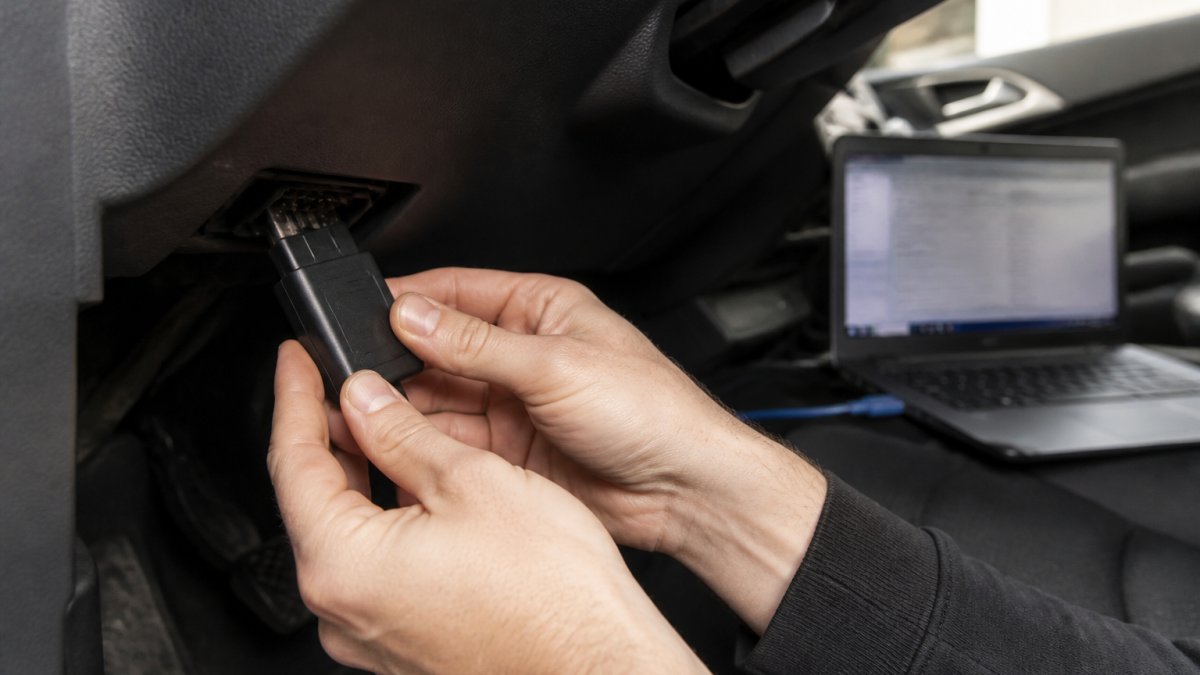
Step-by-Step Fitting Process
- Park on level ground and switch off the ignition
- Wait for the instrument cluster to go fully dark
- Locate your diagnostic port or the connector named in your fitting guide
- Plug the module in until it clicks
- Start the engine and check the cluster lights up normally
- Run a short stationary test before any road use
Expected result: the odometer holds steady while the vehicle runs, and no warning lights appear.
Common Installation Mistakes to Avoid
- Forcing a connector into the wrong port
- Fitting while the ignition is still live
- Skipping the stationary test before a dyno session
A common mistake is assuming one method fits every car. Modern electronics vary widely, so always follow the guide for your model.
Odometer Blocker Troubleshooting: When Things Go Wrong
Most faults trace back to a loose connection or a CAN-bus error, not a failed module. Work through the basics before you assume the worst.
Fault Codes and CAN-bus Errors
The CAN-bus is the network your car’s electronic control unit uses to talk to its modules. If the blocker sits on that network incorrectly, you may see fault codes appear.
- Check the connector is fully seated
- Confirm you used the correct port
- Clear codes and retest
Module Not Responding: Quick Checks
If the module shows no response, run these checks in order:
- Ignition cycled off and on again
- Connector clicked fully into place
- Fitting guide steps followed exactly
If the module still fails, stop and contact technical support rather than forcing a fix.
Never unplug the module while the engine is running. Doing so can trigger fault codes and, in some cases, damage the module, which is not covered by warranty.
How to Make a Mileage Blocker Warranty Claim
A mileage blocker warranty claim is straightforward when you have the right information ready. The 12-month cover applies to manufacturing faults, so the process depends on proving the fault came from us, not from installation. What most guides skip is the other warranty in the room: your vehicle manufacturer’s new-car or extended warranty, and how a dealer can tell a module has been fitted.
What the 12-Month Warranty Covers
Our warranty covers:
- Manufacturing defects in the module
- Firmware faults present at delivery
- Failure under normal, correct use
It does not cover:
- Damage from incorrect installation
- Water or physical damage
- Unauthorised repairs or modifications
How Dealers Detect a Fitted Device
This is the part competitors leave out. A blocker that sits on the CAN-bus or the diagnostic port rarely disappears without trace. Common detection routes during a routine service visit include:
- Stored fault codes. Interrupted or implausible speed signals can log a code in the ABS, transmission or instrument cluster module. Even after you clear the code, some control units keep a permanent or “historical” record that a standard scan tool will surface.
- Freeze-frame and adaptation data. Many ECUs store the conditions present when a fault occurred, vehicle speed, engine speed, gear, timestamp. A mismatch between recorded road speed and odometer distance is a red flag.
- Service interval counters. Distance-based service reminders and oil-life counters are driven by the same distance data. If the odometer has been paused but the ECU’s internal distance counter has not, the two will disagree.
A common pattern reported by owners is that the device is only noticed when an unrelated warranty claim triggers a full diagnostic scan. If you have fitted a module and later need dealer warranty work, assume the device will be found and plan accordingly.
Information You Need Before Claiming
Have these details ready before you contact us:
| Item | Why It Matters |
|---|---|
| Order number | Confirms purchase date and cover |
| Vehicle make and model | Confirms compatibility |
| Fault description | Speeds up diagnosis |
| Fault codes | Shows whether the issue is the module or the car |
| Photos of the setup | Helps rule out installation damage |
| Fitting guide version | Confirms the correct procedure was followed |
Claims move faster when the fault is clearly described. Vague reports slow everything down.
What Happens If the Manufacturer Refuses Warranty Work
If a dealer declines a repair because a device has been fitted, the decision usually rests on the terms of the manufacturer’s warranty, which typically exclude damage caused by non-approved modifications or by interference with the vehicle’s electronic systems. That is a contractual matter between you and the manufacturer, separate from our 12-month cover on the module itself.
Fitting a blocker does not void your entire vehicle warranty automatically, but it can void cover for any fault the manufacturer can reasonably link to the device. Expect the burden of proof to fall on you.
Mileage Blocker Technical Support: Getting Expert Help
Technical support exists to solve problems before they become claims. Our team is available 24/7, so a failed module mid-test does not mean a lost session.
When you contact support, describe the fault, share any codes, and confirm your vehicle details. Most issues resolve on the first call.
- Dyno operators get help with live testing faults
- Track-day users get guidance on setup
- Home fitters get step-by-step fitting help
The difference between a quick fix and a return often comes down to how clearly you explain the problem.
Repair, Replacement, and Post-Warranty Options
Once the 12-month period ends, you still have options. Modules that fail after cover expires can often be repaired or replaced at a set cost.
- Repair: suitable for minor faults and firmware issues
- Replacement: the faster route for hardware failure
- Upgrade: move to a newer module if your vehicle has changed
We recommend keeping your order details on file. It makes any future service quicker, warranty or not.
Register your module details when you buy. If you ever need a repair after year one, we can match your unit to the right replacement without guesswork.
Legal and Insurance Considerations for Odometer Blocker Use
Using an odometer blocker for legitimate testing is one thing. Using it to misrepresent a vehicle’s mileage is another, and the law treats these very differently. Most guides stop at “don’t commit fraud”. This section goes further, because the practical risks sit in insurance, resale and record-keeping, not in the act of fitting the device itself.
The Fraud Position
In the UK, altering an odometer reading with intent to deceive a buyer is fraud.
Separately, the Consumer Protection from Unfair Trading Regulations 2008 make it a criminal offence for a trader to engage in misleading commercial practices, including giving false mileage information.
Devices like ours are sold for dyno testing, diagnostics, track days and off-road use, where isolating mileage from road use is the point.
Off-Road vs Road Use: Why the Distinction Matters
A blocker used on a private track, a dyno cell or private land is not interacting with the road network. A blocker used on a public road while the vehicle is being driven for ordinary purposes is a different situation, particularly if the intent is to conceal distance travelled from an insurer, a lease company, a fleet operator or a future buyer.
- Track and dyno use: the vehicle is not accumulating road mileage for legal or contractual purposes. This is the intended use case.
- Road use with the blocker active: the vehicle is still being driven on public roads, but the odometer is not recording it. If the vehicle is leased, financed or insured on a mileage basis, this is where problems start.
- Lease and PCP agreements: most contracts specify an annual mileage allowance and a pence-per-mile excess charge. Suppressing recorded mileage to stay under the allowance is a breach of contract and can be treated as misrepresentation.
Insurance Implications
Insurance is the other consideration. Modifications can affect your policy, so tell your insurer if you fit any electronic device. Hiding it risks a rejected claim.
In practice, the risk runs in two directions:
- Non-disclosure. If your policy asks about modifications and you do not declare the device, the insurer may treat the policy as void or refuse a claim. The Consumer Insurance (Disclosure and Representations) Act 2012 sets out how insurers must handle honest mistakes versus deliberate non-disclosure, but the safest position is to declare.
- Mileage-based policies. Some policies are priced on annual mileage. If the recorded mileage is lower than actual road use, the premium was calculated on false information, which is a problem at claim time.
If you only use the vehicle on private land or a track, tell your insurer that too, it may change the cover you need.
Resale and Disclosure
If you sell a vehicle that has had a blocker fitted, the safe approach is to disclose it. Mileage discrepancies discovered after sale are one of the most common routes to a misrepresentation claim, and the buyer’s remedy can include rescission of the contract or damages. Keeping a written record of when the device was fitted, when it was removed, and what the odometer read at each point protects you if questions arise later.
Where to Check the Rules
The UK government guidance on vehicle fraud and mileage sets out the legal position clearly. The Fraud Act 2006 and the Consumer Protection from Unfair Trading Regulations 2008 are the primary sources. If you are unsure whether your use is legitimate, check before you fit anything.
Legitimate testing use is defensible. Concealing mileage from a buyer, an insurer, a lessor or HMRC is not, and the device leaves traces that make concealment hard to sustain.
Conclusion: Protecting Your Investment
An odometer blocker only delivers value when it works, and that depends on fitting it correctly and knowing how the warranty protects you. Get the installation right, keep your order details, and use technical support early when a fault appears.
Mileage Blocker modules are UK-made, plug-and-play, and covered by a 12-month warranty with 24/7 support. If you need help choosing the right module or making a claim, our team is ready.
Frequently Asked Questions
How long is an odometer blocker warranty?
Mileage Blocker modules come with a 12-month warranty covering manufacturing defects and component failure under normal use. The warranty period starts from the purchase date and requires proof of purchase for any claim. It does not cover damage from incorrect installation, water ingress, or physical misuse. Keep your fitting instructions and receipt safe, as you will need both if you make a claim. After 12 months, repair or replacement options may still be available depending on the fault.
Can an odometer blocker be repaired if it stops working?
Yes, odometer blocker troubleshooting often resolves issues without needing a full replacement. Start by checking the diagnostic port connection, inspecting the wiring harness for damage, and confirming the module firmware is up to date. If the unit still fails, contact technical support with your vehicle details and a description of the fault. Depending on the issue, the module may be repaired or replaced under warranty. Post-warranty repairs are assessed case by case.
What should you check before making an odometer blocker warranty claim?
Before submitting a mileage blocker warranty claim, confirm the fault is not caused by a loose connection, blown fuse, or incompatible firmware. Check that the module was installed following the mileage blocker installation guide and that your vehicle’s ECU has not logged unrelated fault codes. Gather your proof of purchase, installation date, vehicle make and model, and a clear description of the problem. This speeds up the claim process and helps technical support diagnose the issue faster.
Will using an odometer blocker affect my vehicle warranty or insurance?
Using an odometer blocker for off-road use, dyno testing, or track days may affect your vehicle warranty if the manufacturer can show the device caused a fault. Most warranty clauses exclude damage from non-approved modifications. For insurance, you must declare any modification that changes the vehicle’s risk profile. Undeclared modifications can invalidate a claim. Check your policy documents and the manufacturer’s warranty terms before fitting a module. Use it only for its intended purpose and remove it before returning to public roads.